Bat Yam Buyers Sue Developers for 6.5 Million Shekels Over Delays
Twenty Bat Yam apartment buyers are suing developers for 6.5 million shekels over severe delivery delays, compounded by wartime labor shortages and a nearby Iranian missile strike.
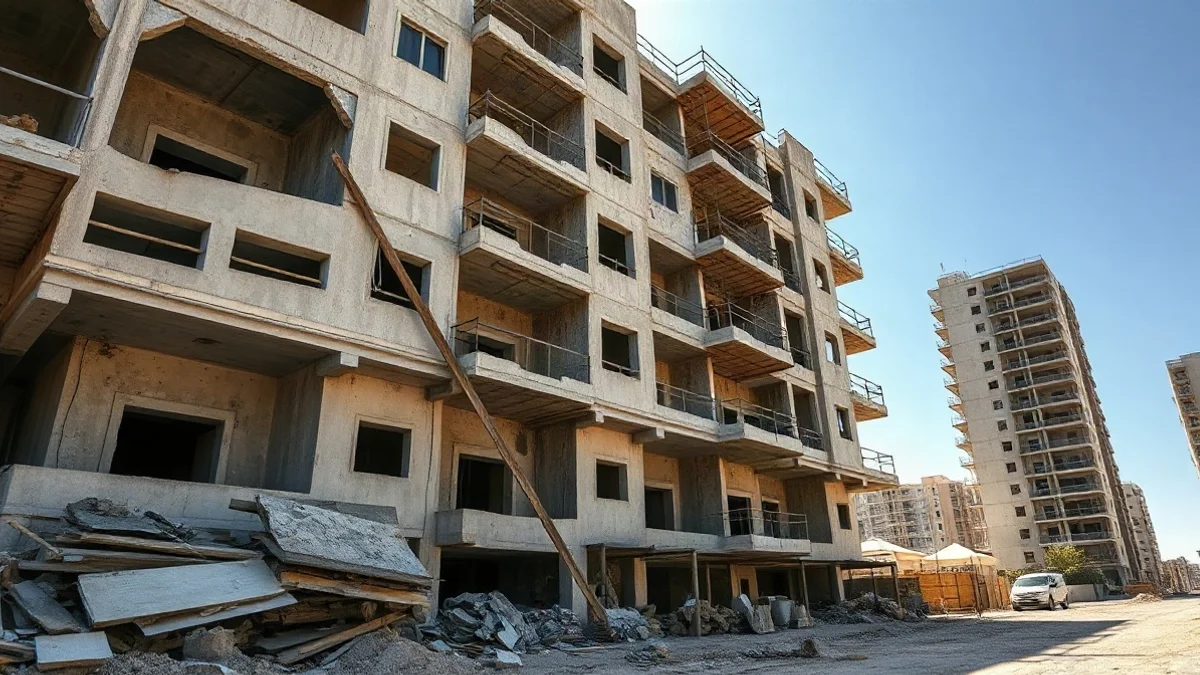
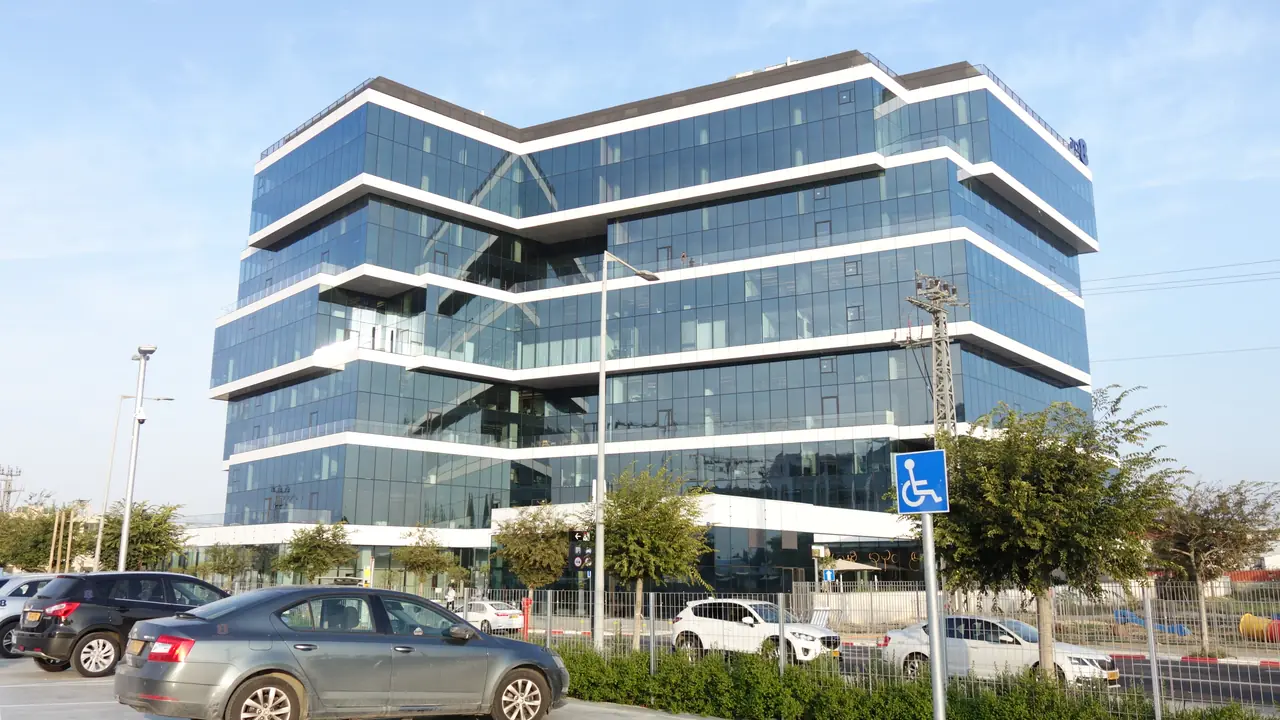
Twenty apartment buyers in Bat Yam have filed a 6.5 million shekel lawsuit against the development company Merkaz HaIr Holdings and Properties and its parent company, Mivne Eitan Daniel 12, citing severe delays in apartment deliveries. Under the original purchase agreements, the units were scheduled for handover no later than January 2024, with some slated for 2023. However, the apartments remain undelivered, and a preliminary court hearing is scheduled for January.
The buyers argue that significant delays began well before the war, driven by flawed planning and contractor issues rather than security circumstances. Although the outbreak of the Iron Swords war in October 2023 and a severe labor shortage paralyzed construction sites nationwide, the plaintiffs maintain that other sites successfully adapted and that the developer failed to mitigate the delays.
Adding to the crisis, an Iranian missile strike during the June 2025 regional escalation hit an adjacent building, causing blast damage to the Bat Yam project. The structure was temporarily classified as dangerous, halting work entirely and threatening an additional 12 to 18 months of delays. The developer reportedly received state compensation for property damage to partially fund repairs, leaving buyers to shoulder mounting financial burdens, including concurrent mortgages and high rental costs.
87-year-old buyer Adina Baruch expressed profound frustration over the ongoing ordeal. "I bought the apartment in February 2022 expecting to move in by February 2024. I am now nearly 88 and still paying 6,000 shekels in monthly rent while seeing no end in sight," she said. The plaintiffs assert that war in the region is a foreseeable circumstance and reject the developer's force majeure defense, demanding full statutory compensation for the prolonged breach of contract.
In its defense, the developer rejected the claims, arguing that purchase agreements were signed exclusively with Mivne Eitan Daniel 12 and that contractual force majeure clauses protect the company from liability during extraordinary security crises. The firm cited an acute construction labor shortage and argued that lingering security threats and missile impacts exempt them from delay penalties. Legal experts note that while Israeli courts show increasing flexibility regarding wartime disruptions, developers must prove a direct causal link through meticulous work logs and demonstrable mitigation efforts to secure exemptions.