Bank of Russia Approves Bitcoin, Ether, and USDT for Retail Investors
The Bank of Russia approved Bitcoin, Ether, and USDT for retail investors through intermediaries, capping annual purchases at 300,000 rubles starting November 17, 2026.
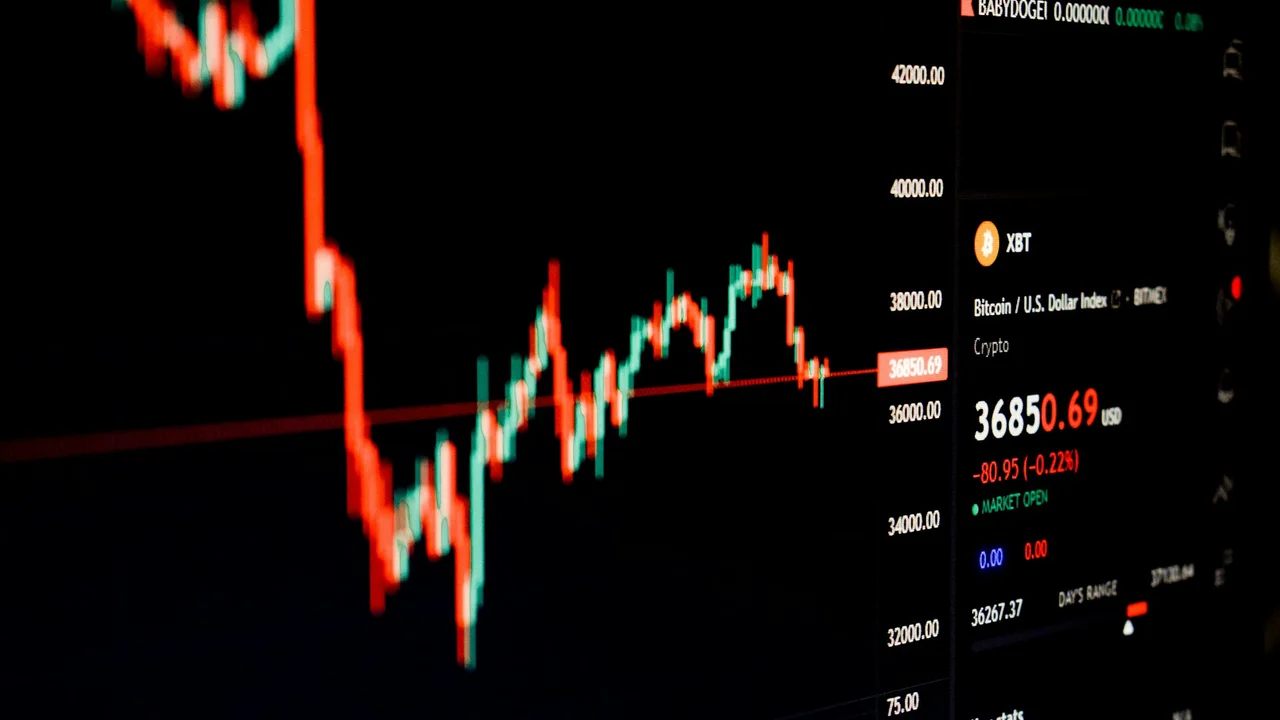
The Bank of Russia has approved a list of three digital currencies that retail investors will be permitted to purchase through intermediaries: Bitcoin, Ether, and USDT. The regulatory directive will enter into force on November 17, 2026, enabling trading organizers to list these crypto assets for public trading on exchanges.
Access will not be unconditional. Non-accredited investors will be able to make purchases through intermediaries such as brokers, investment managers, or digital currency exchange services, both on-exchange and over-the-counter. The volume of purchases through a single intermediary will not exceed 300,000 rubles per year. According to the central bank, the cap is set for each intermediary separately.
Accredited investors will also be required to pass a test and review risks before executing transactions, but they will gain access to all crypto assets without purchase limits. The distinction establishes a restricted pathway for non-professional investors alongside broader access for those meeting qualification criteria.
Meanwhile, the law regulating the Russian crypto market came into force on September 1. It permits both qualified and non-qualified investors to conduct transactions through intermediaries while maintaining a strict ban on using cryptocurrencies for payments within Russia. The new directive establishes the specific asset list and access conditions for retail participants, setting a transition period for market participants until July 1, 2027, to obtain licenses.
Strict Asset Selection and Market Standards
The Bank of Russia explained that the list includes only highly liquid assets meeting statutory requirements. Selection criteria evaluated market capitalization, average daily trading volume, and a price history on foreign exchanges spanning at least five years. The initial list comprises solely Bitcoin, Ether, and USDT.
To execute transactions, every investor, whether qualified or non-qualified, must pass testing and review the risks associated with crypto investments. The central bank introduced these measures to mitigate risks for non-professional participants while establishing a transparent, regulated pathway for digital asset trading.