Bank of Israel Holds Interest Rate at 3.25% Amid Economic Pressures
The Bank of Israel has kept its interest rate steady at 3.25%, balancing low inflation of 1.6% against geopolitical risks, currency depreciation, and ongoing market uncertainties.
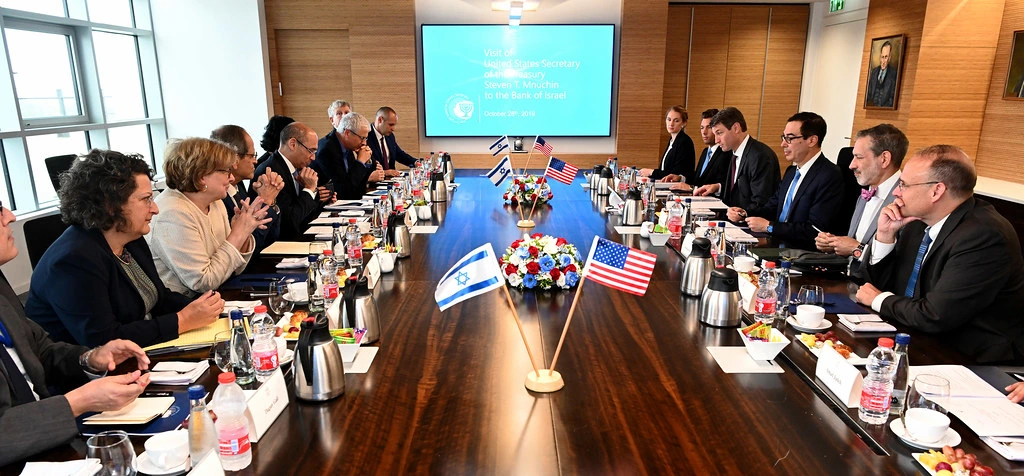
The Bank of Israel's Monetary Committee decided to keep the interest rate unchanged at 3.25%, prompting varied reactions from senior economists and market figures across the country.
Economic Background and Central Bank Caution
Ronen Menachem, Chief Economist at Mizrahi Tefahot, noted that the decision came against the backdrop of a low annual inflation rate of 1.6%, alongside a continuing decline in housing prices. However, the shekel depreciated by about 3.1% against the dollar during the reviewed period.
Menachem emphasized that while previous statements focused on rapid economic recovery, the current assessment points to sustained high activity, supported by an impressive growth forecast of 5.6% for the year and 7.5% for 2027. Nonetheless, caution remains necessary due to geopolitical factors and currency fluctuations.
Impact on Businesses and Financing Costs
Sivan Rahamim, CEO of Wesure Finance, pointed out that while the economy has adapted to high interest rates, businesses continue to pay a heavy price. Financing costs weigh heavily on corporate cash flows, delaying investments and limiting growth potential.
Dubi Amitai, Chairman of the Business Sector Presidency, described the decision to keep the rate unchanged as a missed opportunity to ease the burden on businesses and households. High financing costs restrict investments in new equipment and technology, while families struggle with high loan repayments.
Market Outlook and Future Rate Cuts
Dr. Ilan Gildin, Partner and Hedge Fund Manager at Karni Family Office, explained that the central bank is operating under severe constraints, including shekel-dollar depreciation, aggressive global monetary tightening, and a high risk premium due to regional geopolitical escalation.
Roi Kadosh, Chief Investment Officer at Hachshara Insurance and Finance, added that the pause was largely expected ahead of the upcoming elections. He views it as a tactical delay rather than the end of the easing cycle, projecting that rate cuts could resume once political and budgetary clarity is achieved.