Israel October Inflation Set to Stay Low, Yet Bank of Israel Rate Cuts Unlikely
Israel's October CPI is expected to show seasonal increases, but annual inflation will likely stay low. Despite subdued price growth, the Bank of Israel is expected to hold interest rates steady amid a weakening shekel and global monetary shifts.
Analysts expect Israel's October Consumer Price Index (CPI) to reflect seasonal increases, yet annual inflation is projected to remain subdued well within the government's target range. Forecasts for the October index range from a moderate 0.2% to 0.5%, following a 0.5% increase in September that left annual inflation at 1.6%. If October's index rises by 0.2%, annual inflation will ease to 1.4%, as the October index from the previous year rose by 0.5%. Investment houses including Ayalon, Gold Capital, and Leader project an increase of 0.3% to 0.4%, while Psagot expects a slightly higher rise of up to 0.5%. Stock exchange analyst Nissan Avraham projects a relatively moderate rise of just 0.2%.
Economists emphasize that the upward pressure stems strictly from seasonal adjustments rather than core inflationary trends. During the Sukkot holiday period, airline tickets and hotel rates surged by 10% to 15%. The transition to winter apparel collections drove clothing prices up by 4% to 6%, a standard shift for October. Food prices recorded a moderate increase of 0.3% to 0.5%, primarily driven by fresh vegetables, while a 2.1% hike in regulated egg prices took effect on November 1. Conversely, fuel prices decreased due to an increased tax relief subsidy that rose from half a shekel in September to a full shekel in October. Looking ahead, November is expected to see a sharp 0.4% decline as travel costs return to baseline levels alongside widespread November retail promotional sales.
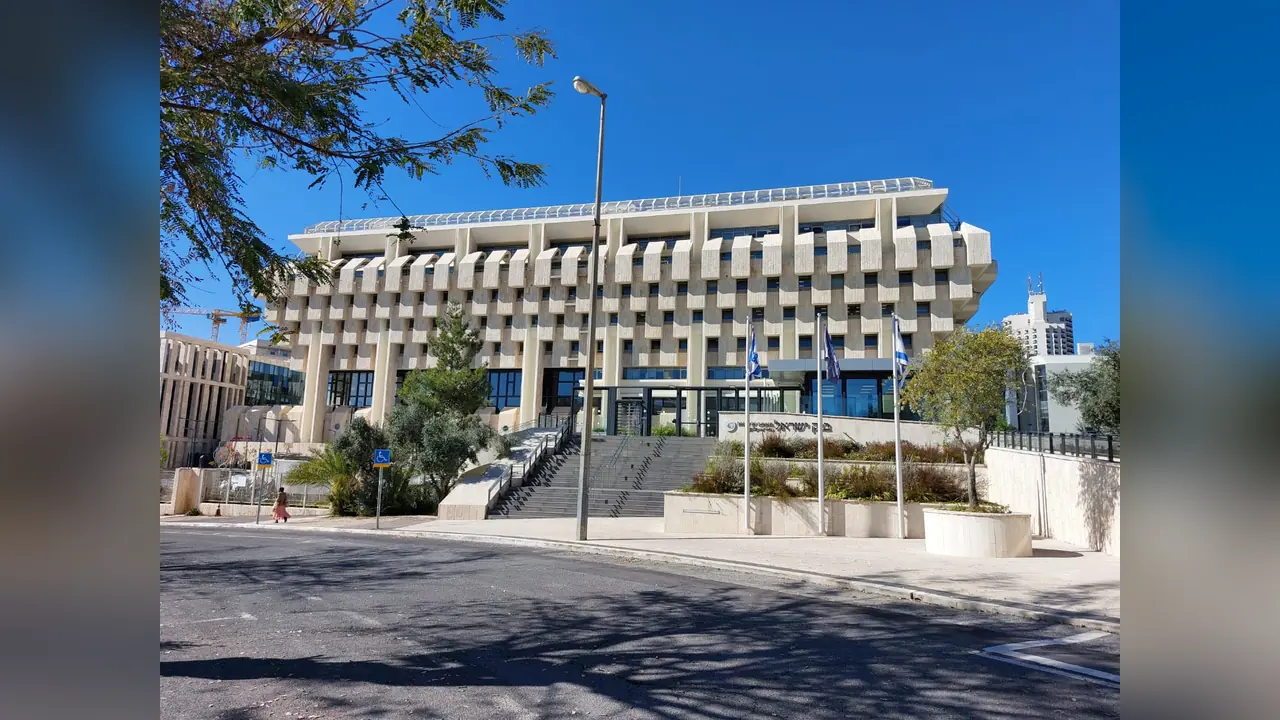
Despite low inflation readings, the Bank of Israel is widely expected to keep interest rates unchanged in the near term. The central bank previously lowered its benchmark rate in three consecutive steps before holding it steady at 3.25% in late October. The shekel has weakened following recent elections, raising import costs ahead of the Hanukkah and Christmas holiday seasons. Meanwhile, October US inflation came in higher than expected at 0.4%, leading markets to price in a near-certain Federal Reserve rate hike in December, which threatens to widen interest rate differentials and further pressure the local currency. Additional fiscal pressures stem from potential budget deficits driven by defense expenditure requirements in the absence of a finalized 2027 state budget. The Bank of Israel research division projects the benchmark interest rate to remain between 3% and 3.25% over the next six months, reaching 3% only by the third quarter of 2027.