BAIC Vehicles Face Criticism Over Sluggish Infotainment and Ergonomics
Chinese automaker BAIC enters global markets with feature-rich vehicles, but international road tests reveal frustrating multimedia systems, sluggish response times, and problematic climate control integration.
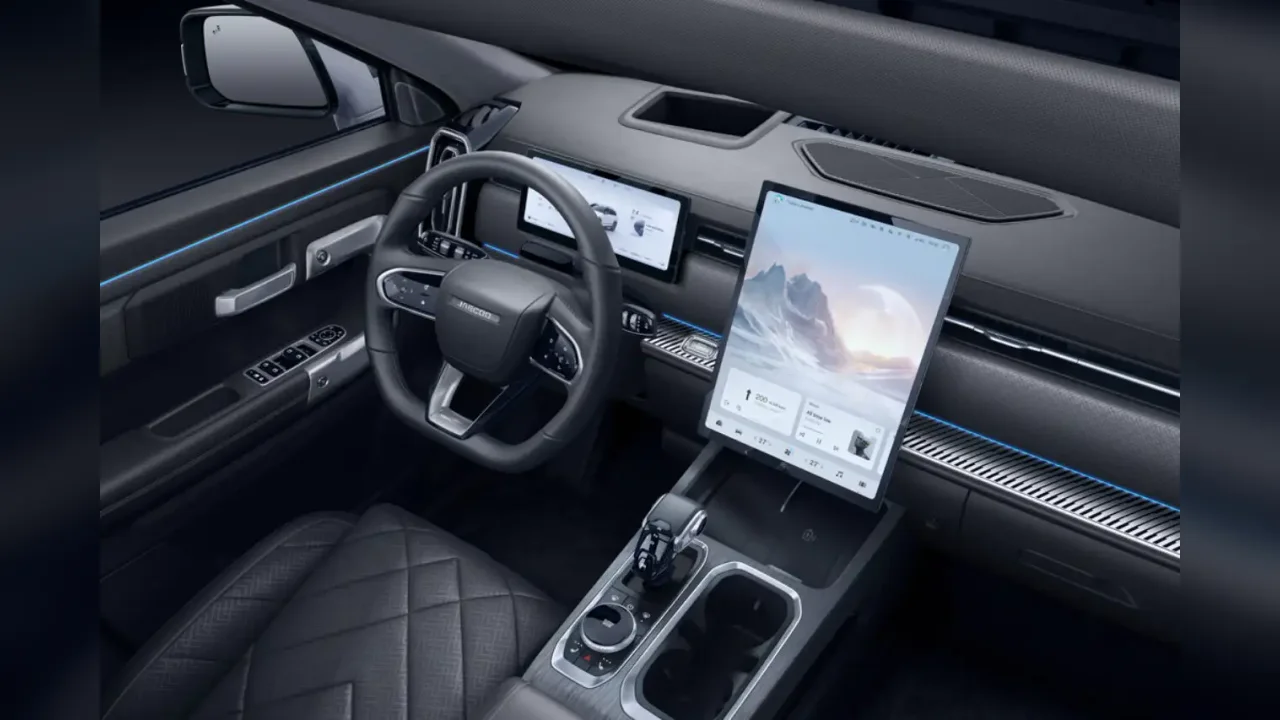
Chinese automotive manufacturer BAIC has captured international attention with its modern exterior styling, expansive digital displays, and extensive equipment lists, recently making its entry into the Israeli market with competitively priced, richly specified vehicles. However, a closer examination of overseas road tests reveals a significant vulnerability hiding behind the impressive technological facade: the multimedia and in-car infotainment systems fail to consistently meet expectations.
Usability Challenges in Real-World Testing
During rigorous road tests conducted in New Zealand and South Africa, automotive reviewers highlighted a recurring flaw where visually stunning displays suffer from deeply flawed user experiences. A prominent example emerged from a test of the hybrid B30 model by South African automotive publication AutoTrader, where reviewer Sean Nurse detailed an frustrating ergonomic oversight. While driving at low speeds, the surround-view camera system automatically activated and completely overrode the central touchscreen display. At that exact moment, the driver attempted to lower the air conditioning fan speed, only to find the operation impossible while the camera feed occupied the screen. Because climate controls are fully integrated into the touchscreen interface, the driver had no choice but to continue traveling with an uncomfortable cabin temperature, illustrating how questionable human-machine interface design can render a routine daily action cumbersome.
Response Speeds and Interface Flaws
System latency has also drawn sharp criticism from automotive journalists. A review published by the South African newspaper The Citizen regarding the B30e noted sluggish screen responsiveness across various functions, ranging from climate adjustments and track skipping to the activation of the rearview camera. Similar concerns surfaced in Spanish road tests of the X55 model, where reviewers reported poorly translated menus and non-intuitive software layouts. Furthermore, smartphone integration remains inconsistent across different trim levels; while some variants support wireless Apple CarPlay, others lack native Android Auto support altogether, requiring drivers to seek alternative workarounds.
Safety Concerns and Distraction
Beyond mere convenience, these operational hurdles pose a genuine risk of driver distraction. When essential functions that once required a simple physical button or dial now demand navigating through multiple digital menus and sub-screens, drivers are forced to avert their gaze from the road for extended periods. The criticism leveled against BAIC is particularly severe because the manufacturer chose to consolidate critical vehicle controls onto a digital interface without ensuring swift processing power or simplified menus across all versions. While large screens undoubtedly captivate buyers in the showroom, forcing drivers to execute numerous taps just to adjust the cabin temperature risks turning advanced technology from a major asset into an operational nuisance.