Israel Police Advances Average Speed Cameras with Reliability Tests Next Year
Israel Police is preparing to conduct reliability tests next year for a new network of 250 average speed cameras. The systems will measure vehicle speeds across multi-kilometer stretches, incorporating rigorous trials for various vehicle types.
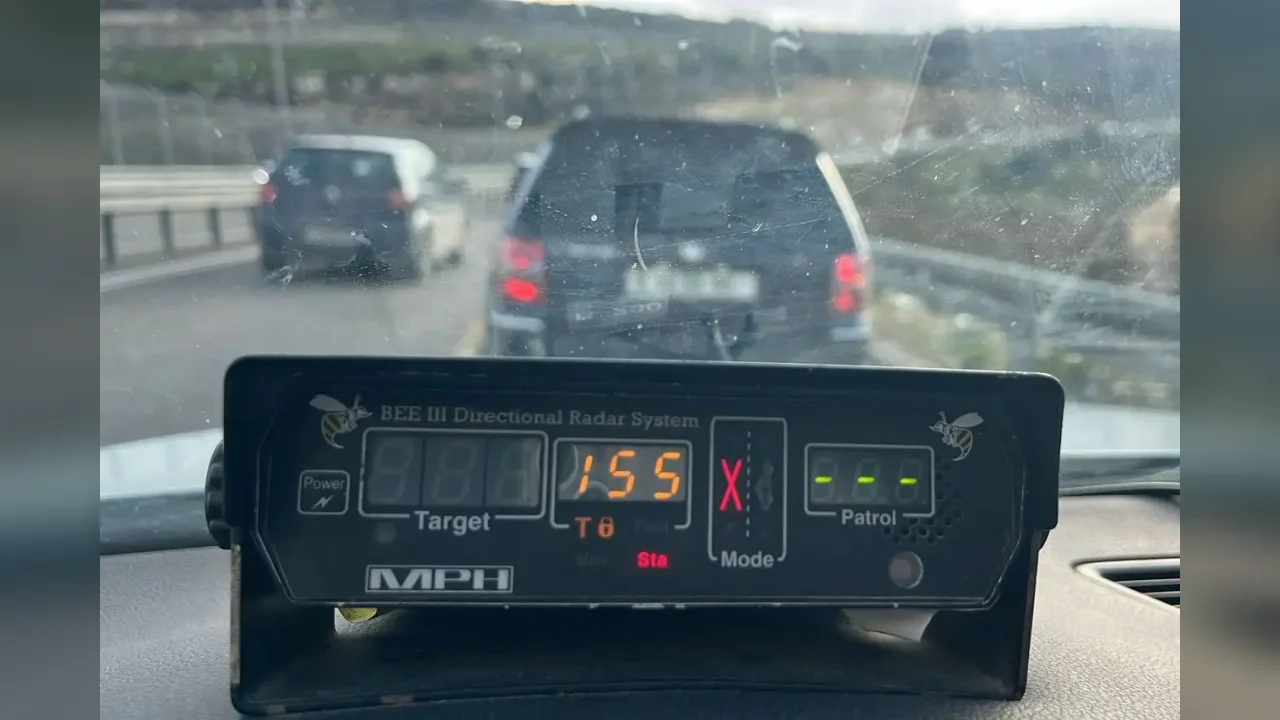
Israel Police is advancing the implementation of an extensive network of 250 average speed cameras across the country, with reliability tests scheduled to begin next year to secure full legal validity for their operation. Documents released by the Israel Police detail the selection process for certified laboratories and experts to oversee the calibration and validation of the new enforcement technology.
Unlike traditional Gatsometer A3 speed cameras, which capture vehicle speed at a single fixed point and allow motorists to brake briefly before passing, average speed cameras track a vehicle across a designated stretch of road. The system records a vehicle at an entry camera and measures the time it takes to reach a second camera situated several kilometers further along the route, computing the average speed for the entire segment.
Validation Process and Testing Standards
The newly released police documents outline the technical requirements for engaging certified metallurgical laboratories and licensed state surveyors. These professionals will verify the exact distances of the monitored road segments and validate the operational workflows to prevent legal challenges that previously affected older enforcement systems.
The testing protocol requires conducting 750 trials on a five-kilometer test route in both directions. The evaluation will encompass a diverse range of vehicles, including motorcycles, passenger cars, buses, and heavy commercial transport, traveling at speeds reaching up to 160 kilometers per hour. Independent speed-measuring devices will run concurrently along the test section to serve as benchmarks for accuracy.
Notably, the upcoming validation tests will specifically incorporate electric and hybrid vehicles into the testing fleet. This step addresses concerns regarding potential electromagnetic or electronic interference from modern alternative-fuel powertrains that could otherwise impact speed measurement accuracy in current systems.