With a push from Trump, tech giants are in a frenzy of nuclear energy development
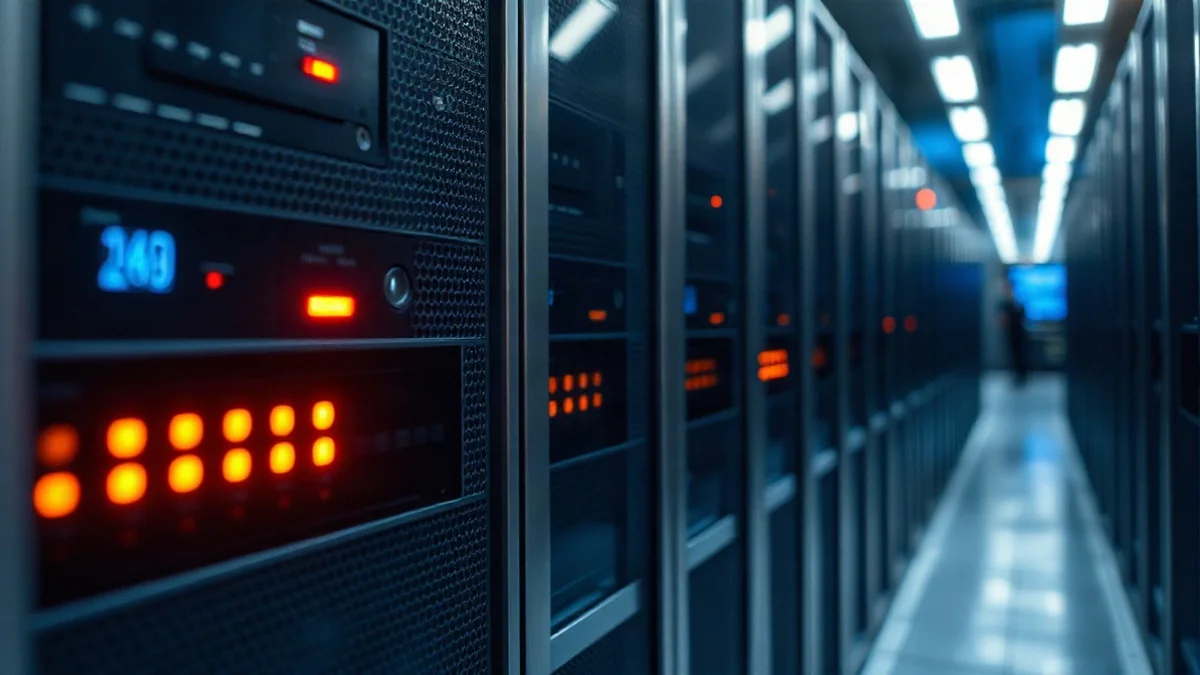
Facing a surge in computing demand due to the AI revolution, tech giants are aggressively investing in nuclear energy. This shift aims to secure stable, high-density power for data centers that renewables cannot currently provide.
In 2022, tech giants were among the global leaders in efforts to reduce greenhouse gas emissions and transition to a carbon-free economy. Meta had reached net-zero emissions, 100% of Google's electricity supply came from renewable energy, Microsoft was on its way to removing all the carbon it had emitted into the atmosphere since its inception, and Amazon had committed to net-zero by 2040. But at the end of 2022, OpenAI introduced ChatGPT — and all net-zero emission policies were reset.
The AI revolution sparked by ChatGPT created a massive global demand for computing power. To meet this, tech giants invested hundreds of billions of dollars in building data centers. These require significant energy to power powerful chips, cooling systems, and other power-hungry components. As a result, carbon emissions surged as companies were forced to rely on fossil fuels. Companies soon realized that existing power grids, particularly in the United States, would struggle to meet this demand, and that renewable energy could not provide the necessary continuity and power density.
The Nuclear Pivot
The solution is nuclear energy. In the 1950s and 1960s, nuclear was considered the energy of the future, but high-profile accidents at Three Mile Island (1979) and Chernobyl (1986) damaged its attractiveness. Now, the discourse is changing, led by tech giants and aided by breakthroughs in Small Modular Reactors (SMRs), which can be built faster and at a lower cost.
All major tech giants are now investing in nuclear energy:
-
Microsoft: Signed a 20-year contract with Constellation Energy to restart Unit 1 at Three Mile Island (scheduled for 2028, 835 MW). It is also investing in Helion Energy for nuclear fusion technology.
-
Google: In October 2024, signed an agreement with Kairos Power to develop and operate modular reactors, with the first expected by 2030.
-
Amazon: Purchased a data center in Pennsylvania to connect to the Susquehanna nuclear plant and invested $500 million in X-Energy for SMR deployment.
-
Meta: Committed to purchasing the entire output of Constellation Energy's Clinton reactor (1.1 GW) for 20 years and signed a deal with TerraPower to build eight SMR reactors.
Political Support and Challenges
President Donald Trump holds clear pro-nuclear positions, aiming to quadruple U.S. nuclear capacity by 2050, remove regulatory barriers, and accelerate reactor licensing. In the AI sector, energy is now viewed as the "biggest bottleneck" for growth.
However, significant challenges remain: lengthy licensing processes, high construction costs for first-of-a-kind SMRs, and the lack of a long-term solution for radioactive waste. Yet, with trillion-dollar companies committed to the field and an administration demonstrating a clear pro-nuclear stance, even high barriers may become hurdles that are easy to jump over.