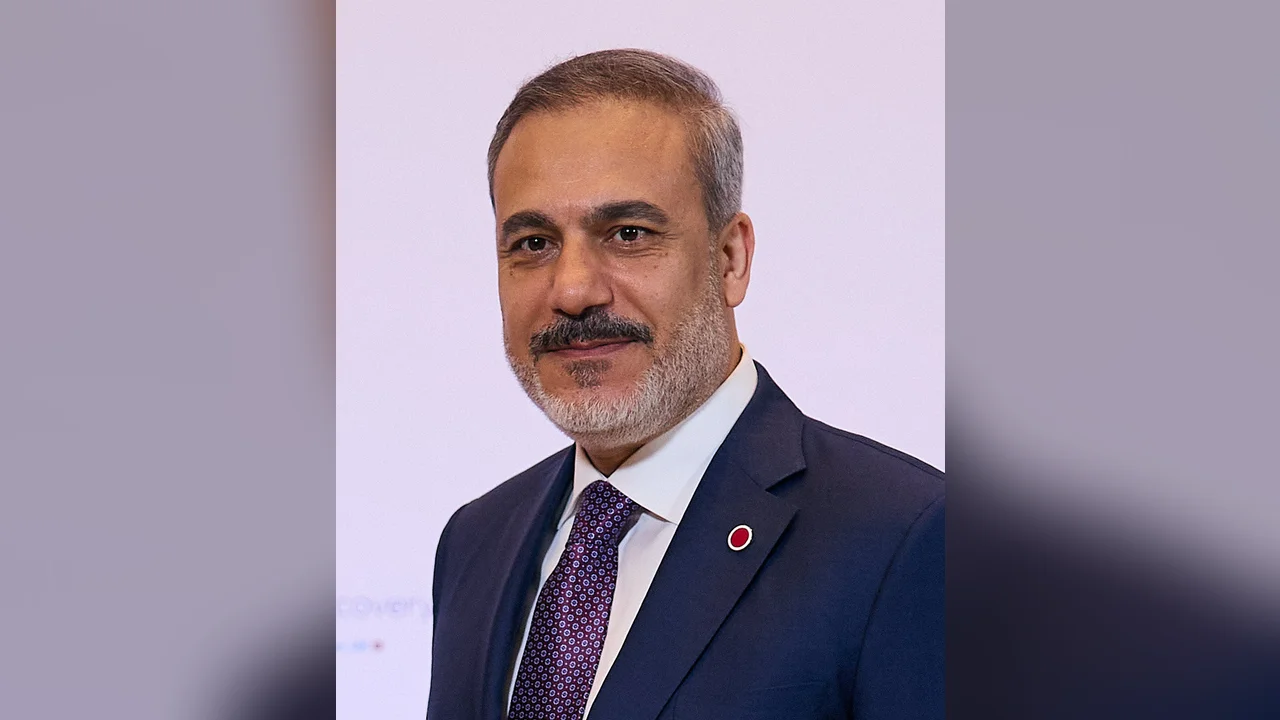
Attorney Indicted for Smuggling Covert Messages to Security Inmates
Attorney Riyad Mahamid was indicted for attempting to smuggle covert operational messages inside legal documents to two senior security prisoners held at Lavi Prison.

A criminal indictment was filed against attorney Riyad Mahamid on charges of attempting to smuggle covert messages to high-profile security prisoners inside Shata Prison. On January 4, 2026, the attorney arrived at the correctional facility carrying a document ostensibly presented as a standard legal power of attorney bearing his professional credentials. According to the prosecution, prison guards conducted a rigorous security inspection that uncovered hidden communications embedded between the lines of the text, intercepting the material before it reached the inmates.
High-Profile Security Prisoners Involved
Investigators determined that the intercepted messages were targeted at two distinct security inmates held at Lavi Prison. The first recipient is Fares Sawafta, a resident of Tubas affiliated with Palestinian Islamic Jihad who previously served an 18-year sentence for attempted murder, weapons possession, and maintaining ties with a hostile organization. Sawafta was re-arrested as an administrative security detainee in October 2023. Prison records indicate that Sawafta formerly operated as a senior leader within the internal inmate hierarchy, having served as the Islamic Jihad leader at Ketziot Prison and subsequently as the deputy commander of the organization across all Israeli correctional facilities.
Intercepted Instructions and Legal Charges
The second recipient is Adnan Abu Odeh, a resident of East Jerusalem serving a sentence for severe security offenses, including intentional sabotage, attempted arson, weapons-related terrorist acts, and conducting terrorist training. Prosecutors stated that following the death of Hamas leader Ismail Haniyeh in Tehran, Abu Odeh coordinated with associates to plan and execute public disturbances against security forces.
The hidden text contained within the legal document included family updates alongside specific operational queries. One passage addressed prisoner stipends, stating that the allowance was disbursed despite most inmates being denied. Another section instructed Abu Odeh on testimony to provide in court, advising him to state that he intends to focus on his work, purchase a home, and marry. Consequently, the prosecution charged Mahamid with forgery under aggravating circumstances, using a forged document, and performing unauthorized or dangerous acts within a detention facility.
Institutional Reforms and Attorney Screening
The case unfolds against the backdrop of sweeping operational changes implemented within security wards by Israel Prison Service Commissioner Kobi Yaakobi, under the policy direction of Minister of National Security Itamar Ben-Gvir. Prison officials noted that prior to these reforms, inmate representatives known as speakers and emirs maintained internal control across wings. Under the current administration, these internal leadership structures have been dismantled to establish firm state control.
Data compiled by the Israel Prison Service demonstrates a high volume of irregular incidents involving attorney visits across 2025 and late 2026. Out of 88 recorded incidents of contraband detection and security breaches during legal visits, 52 involved written materials and messages, 12 involved electronic media, and several others involved drugs or communication devices.
Public and Professional Reactions
Legal authorities have previously scrutinized similar conduct by other defense counsel. A prior complaint was lodged against attorney Elias Sabbagh over allegations that he served as a conduit for security prisoners communicating with terrorist organizations, though the Israel Bar Association ethics committee ultimately shelved that complaint.
Shay Glick, CEO of the B'Tsalmo human rights organization, commended the filing of the indictment and urged stringent disciplinary measures against rogue attorneys.
"We welcome this unprecedented indictment and call upon the prison service and the prosecution to file further indictments, while the Israel Bar Association must immediately pursue disciplinary disbarment for anyone aiding terrorists," Glick stated.
The ongoing legal proceedings against Mahamid highlight the acute operational challenge of balancing inmates' rights to legal counsel against the imperative to prevent correctional facilities from being exploited for illicit communications.