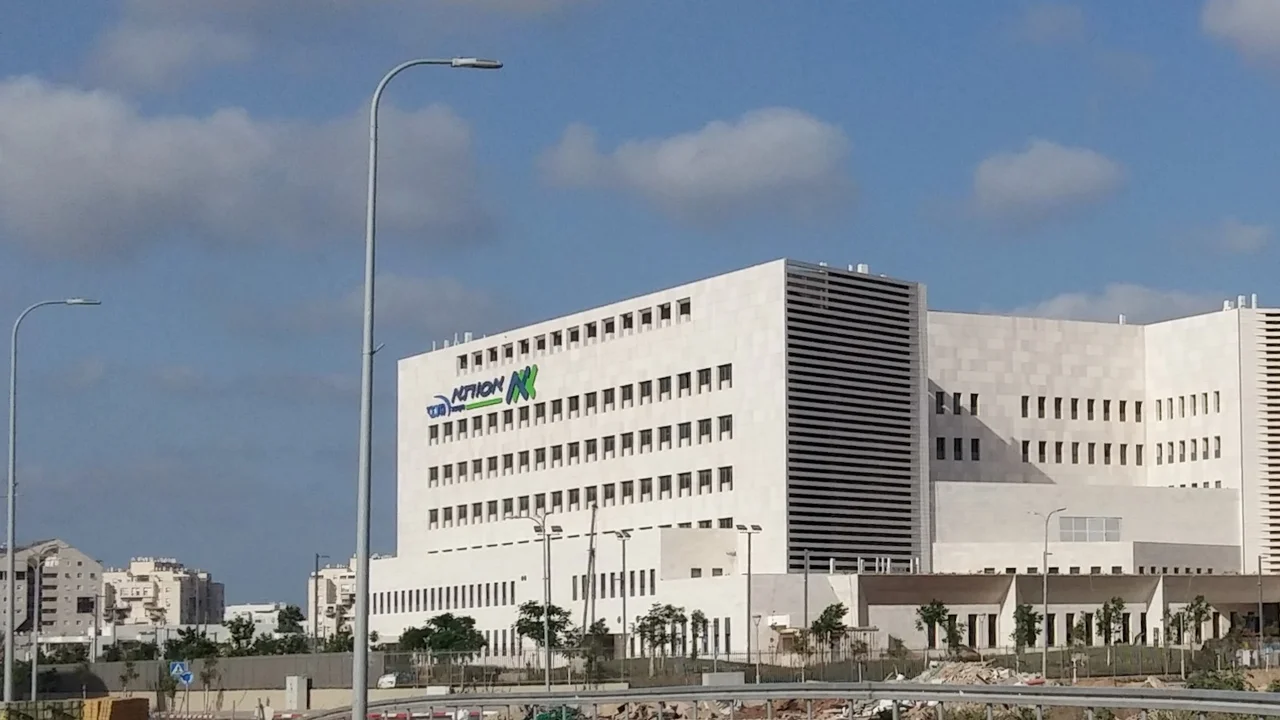
Ashkelon Academic College Launches Medical Lab Degree with Pre-Med Track
Ashkelon Academic College is launching a bachelor's degree in medical laboratory science with a pre-med track, starting in spring 2027. The program includes 500 hours of clinical training.

Ashkelon Academic College has announced the introduction of a new bachelor's degree program in medical laboratory science, featuring an integrated pre-med track. Approved by the Council for Higher Education, the program is scheduled to launch in the spring semester of 2027, with enrollment already underway.
Designed to train professionals for medical laboratories, research institutes, and the biotechnology industry, the curriculum also provides foundational coursework for students aspiring to pursue medical school in Israel or abroad.
Clinical Training and Curriculum
Unlike purely theoretical programs, the degree includes 500 hours of practical training at medical centers, including Barzilai Medical Center in Ashkelon and Assuta Ashdod University Hospital. Students will study molecular biology, genetics, immunology, virology, hematology, and biochemistry while gaining hands-on experience with advanced laboratory equipment.
Pre-Med Track and Admission Requirements
The pre-med component incorporates seven core courses designed to prepare candidates for four-year medical degree programs. However, college officials noted that completing the degree does not guarantee admission to medical school.
Admission requirements include a bagrut matriculation average of at least 95 and a psychometric score of 650 or higher. Applicants must also present a high school mathematics grade of at least 80 in a four-unit track or 79 in a five-unit track.
Career Opportunities
Graduates will be qualified for positions in clinical laboratories at public and private hospitals, health maintenance organizations, and public health facilities, as well as roles within the pharmaceutical and biotech sectors.
College President Prof. Eliakim Rubinstein highlighted the significance of the new program for the southern region, while Director-General Dr. Pinhas Challoach emphasized its role in strengthening the connection between academic training and the healthcare system.