Ashdod Resident Survives Rare Sarcoma After Alert Family Doctor Orders Scans
An immigrant from France living in Ashdod survived a rare malignant sarcoma after her family physician and orthopedic specialists detected the tumor and performed a life-saving amputation.
A 78-year-old immigrant from France living alone in Ashdod successfully overcame a rare and aggressive malignant tumor after her primary care physician noticed unusual symptoms in her left arm. The patient initially sought medical attention for severe pain and abnormal swelling in her upper extremity. Consulting with Dr. Sara Parow, a family medicine specialist, her case was flagged for urgent evaluation because the clinical presentation did not align with a routine blood clot or common inflammation.
Diagnosis and Clinical Findings
Suspecting a potential recurrence of a prior oncological condition, Dr. Parow referred the patient to the Rehovot imaging center, where she was examined by Dr. Ron Betesh, head of the orthopedic oncology unit. Advanced CT and MRI scans performed within days revealed a soft-tissue sarcoma measuring eight to ten centimeters. The aggressive tumor had developed in the shoulder region, enveloped major blood vessels and nerves of the arm, and spread toward the chest wall.
Discussing the rarity of the condition, Dr. Betesh explained that radiation-associated sarcomas account for roughly three percent of all soft-tissue malignancies. While the absolute risk remains low, prior radiation therapy received more than three decades ago likely induced DNA mutations in healthy tissue, elevating the risk of sarcoma development in female breast cancer survivors.
Life-Saving Intervention
Given the tumor's infiltration into vital neurovascular structures, specialists determined that limb preservation was impossible. Addressing the critical juncture, Dr. Betesh noted:
"To save her life, we had to perform a forequarter amputation."
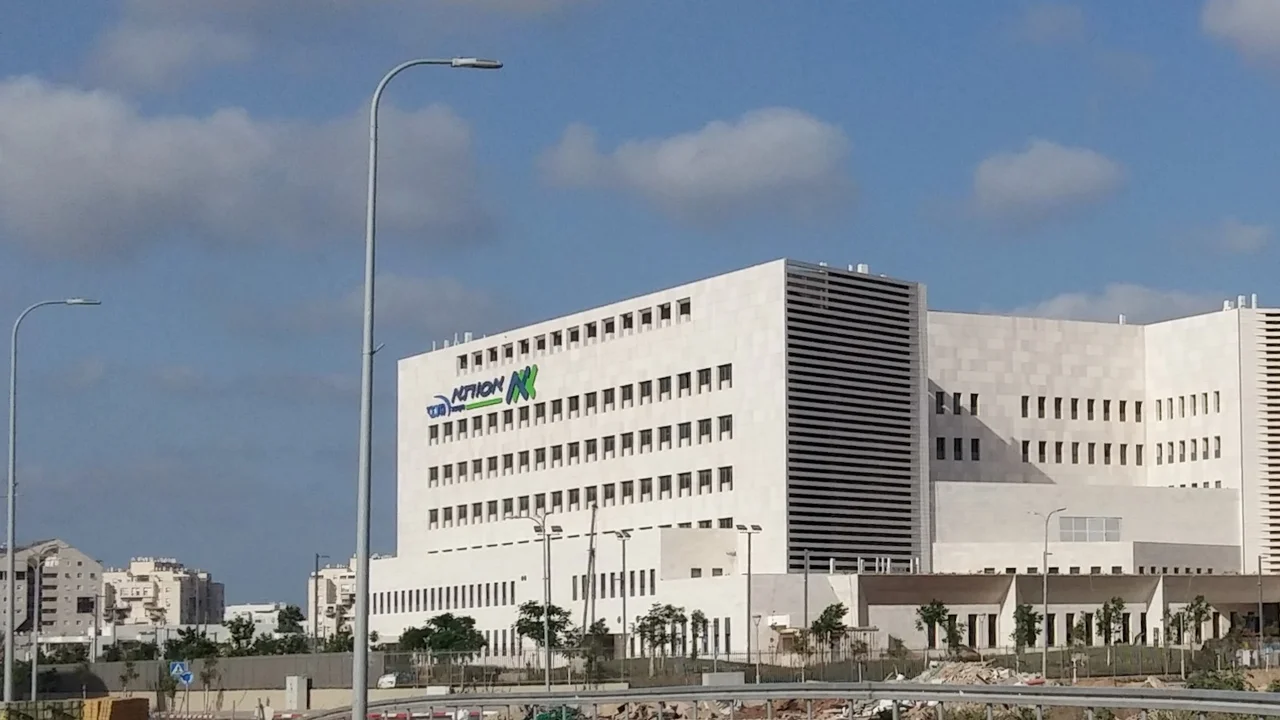
Transferred to the Wolfson Medical Center, the patient underwent a biopsy, a PET-CT scan, and a complex surgical procedure that successfully removed her left arm up to the chest wall while employing specialized techniques to mitigate phantom limb pain.
Following a lengthy recovery, recent follow-up evaluations confirmed that the patient is free of metastasis, experiences no phantom pain, and is adapting to her new circumstances. Over the next five years, she will undergo close oncological monitoring alongside psychological support and home assistance. Additionally, preparations are underway to connect her with assistive technology organizations to help her maintain daily independence.