Asaf Machnes on Berlin, Trauma, and His Acclaimed Film Debut La'an
Director Asaf Machnes discusses his acclaimed debut feature film 'La'an', exploring Berlin, family trauma, and the acclaimed performances of Ihab Elias Salameh and Ido Tako.
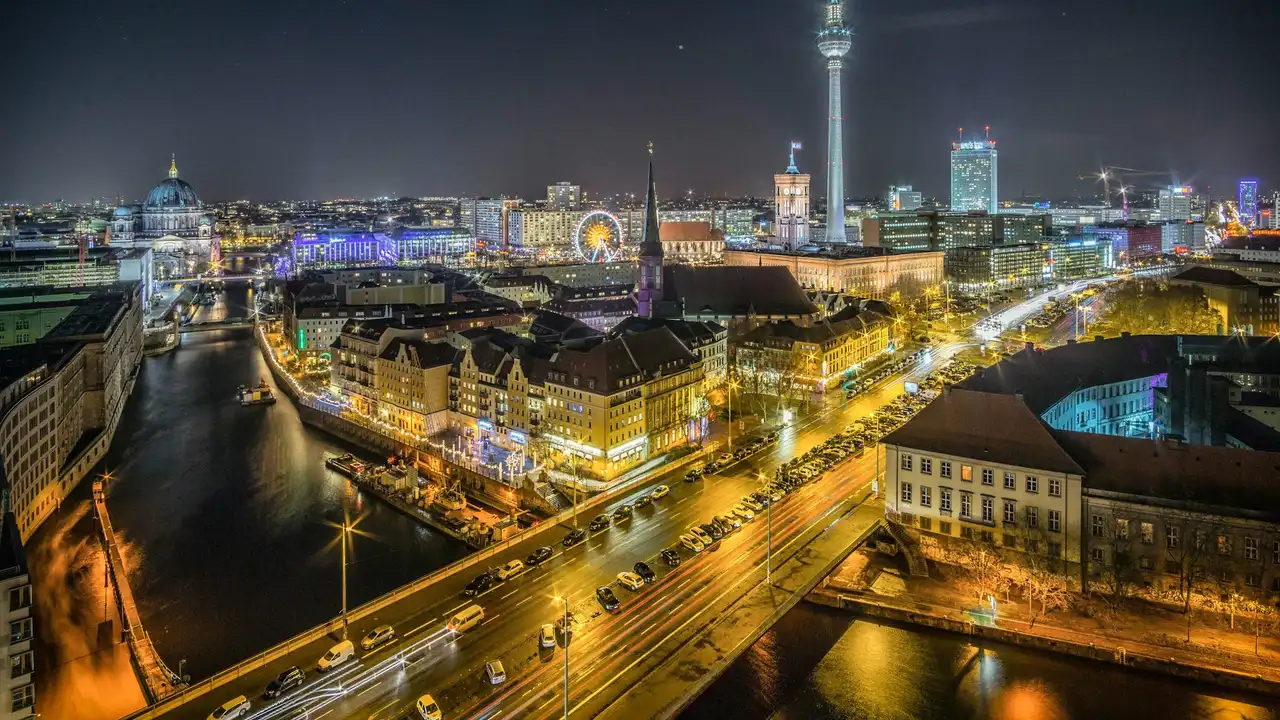
Director Asaf Machnes is making waves on the international and local cinema circuit with his acclaimed feature debut, "La'an", which explores human connection against the backdrop of Berlin and Israel. Dividing his time between Tel Aviv and the German capital, Machnes draws upon personal history, family trauma, and cross-cultural encounters to craft deeply moving narratives. The film follows a Palestinian taxi driver living in Berlin and a young Israeli gay man whose paths cross during a nocturnal cab ride.
The Berlin Inspiration and Personal Journeys
Machnes first arrived in Berlin in 2014, initially drawn to its vibrant underground music and jam-session scene. His early adventures in the city included a memorable, anxiety-fueled visit to a local medical clinic after an exuberant night out, a comedic anecdote he frequently incorporates into his stand-up routines in Berlin. Beyond the humor, however, Berlin served as the fertile ground for "La'an", which was hailed by the prestigious trade publication The Hollywood Reporter as a "hidden gem" following its screening at the Berlinale film festival.
The film centers on Hassan, played by Ihab Elias Salameh, a Palestinian taxi driver who has resided in Berlin for 25 years with his wife and daughters. One evening, Amir, a young Israeli man portrayed by Ido Tako, enters Hassan's cab. What begins as a chance fare evolves into a series of nocturnal encounters between two wandering souls. The connection provides Amir with a sense of home while compelling Hassan to confront his buried past.
Critical Acclaim and Awards Sweep
"La'an" has resonated powerfully with audiences and festival juries alike, picking up major accolades across the board. At the Jerusalem Film Festival, the film captured the prestigious Haggiag Award for Best Feature Film, alongside honors for best screenplay and best acting for Salameh. The momentum continued at the recent Ophir Awards, where both Salameh and Tako walked away with trophies—Salameh taking home the prize for Best Leading Actor and Tako winning Best Supporting Actor.
Despite the political backdrop of the narrative, Machnes emphasizes that his primary objective was human connection rather than didactic messaging. Reflecting on the Berlin festival run, Machnes noted that the film played to packed houses without incident:
"In Berlin there was a fear that something might happen because the film is funded by Israel, but nothing happened. It is still a film that manages to confuse all sides in the best possible way."
Processing Family Legacy and Loss
The emotional core of "La'an" is deeply intertwined with Machnes's own family history, particularly the suicide of his father at age 50 when the director was 21 years old. Machnes speaks candidly about the legacy of silence, regret, and unspoken emotions passed down through generations. He connects these themes to the complex dynamics of his characters, whose internal struggles mirror his own ongoing search for stability and belonging.
Machnes also reflects on his personal life, identifying as bisexual and navigating a lifestyle split between artistic exploration and a growing desire for domestic roots. Whether performing stand-up comedy in Berlin or developing future film projects involving surrealist humor, Machnes continues to channel his introspection and life experiences into compelling cinematic storytelling.