Arkia Faces 30 Million Dollar Loss and Union Clash Over Capital Injection
Arkia Israeli Airlines faces over 30 million dollars in losses for 2026, sparking a fierce dispute between the Nakash owners and employees over capital injection and ownership dilution. The union has threatened labor strikes as buyout attempts stall.
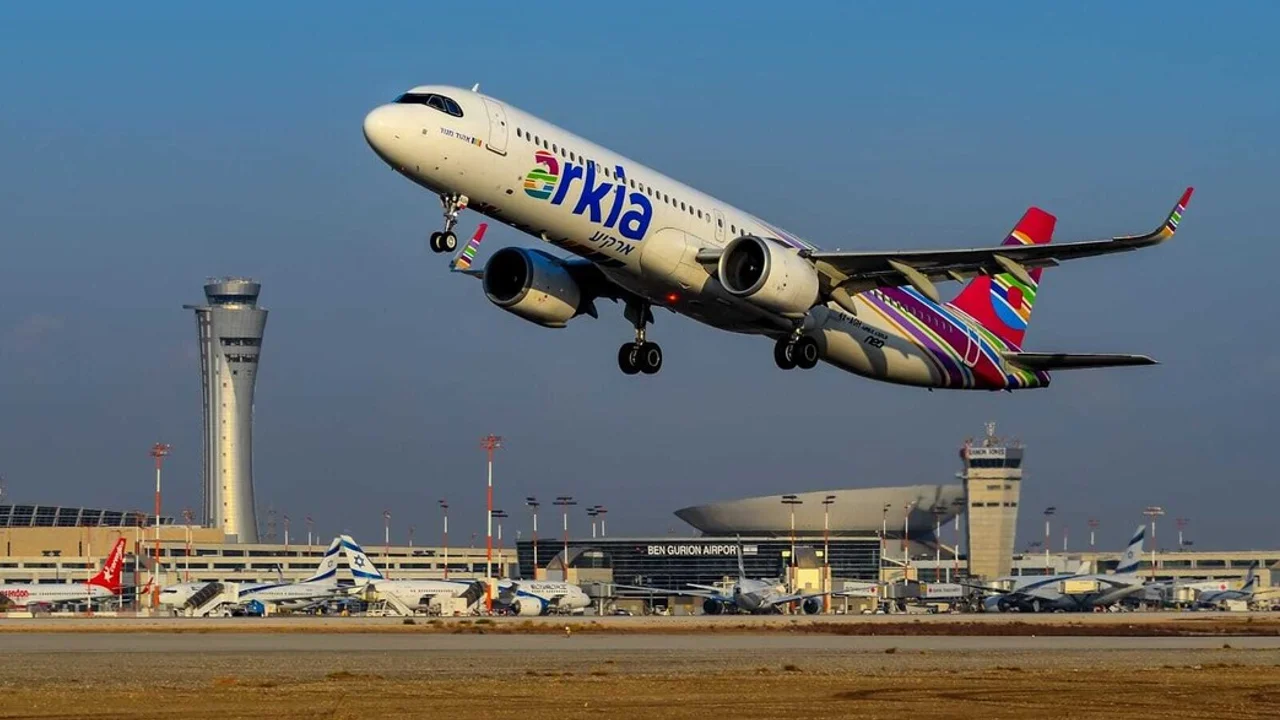
Arkia Israeli Airlines is facing severe financial pressure after recording losses exceeding 30 million dollars in 2026, prompting the controlling Nakash brothers to seek capital injection plans. According to reports, the owners are conditioning new investments on the dilution of employees' stakes, who currently hold a 20 percent share in the company. The workforce strongly opposes further dilution, following previous reductions from an initial 30 percent stake.
The Transport and Ports Workers Union has sent a formal letter to management, threatening to declare a labor dispute and organize protests. The union claims that management and recently reinstated board observer Avi Hormero are pushing for efficiency measures, staff cuts, and ownership dilution without proper coordination. Hormero's return to the board follows a turbulent period, which included a bitter legal dispute and a 65 million shekel lawsuit filed by Avi Nakash against him, though the differences have since been set aside.
Meanwhile, the Nakash family has attempted to sell the airline without success. Potential buyers, including a New York businessman and a Russian oligarch, held negotiations that ultimately failed. The owners are asking 170 million shekels for the company, while a near-deal with American investor Elliott Zemel fell through at 140 million shekels. Industry sources attribute the losses to soaring jet fuel prices and low occupancy rates on long-haul routes to destinations such as Bangkok and New York.
Responding to the reports, Arkia stated that as a private company, it does not disclose financial results and declines to comment on circulating figures. The airline emphasized that like many carriers in 2026, it is navigating significant challenges due to rising fuel costs alongside regional security and economic conditions, while management continues to implement responsible efficiency measures and cost controls.