Arkia Faces Labor Disputes and Capital Crunch Amid Financial Crisis
Arkia Israeli Airlines faces a severe capital deficit and imminent labor disputes as controlling shareholders plan an equity dilution. Amid mounting losses and failed route expansions, rival carriers El Al and Israir continue to surge.
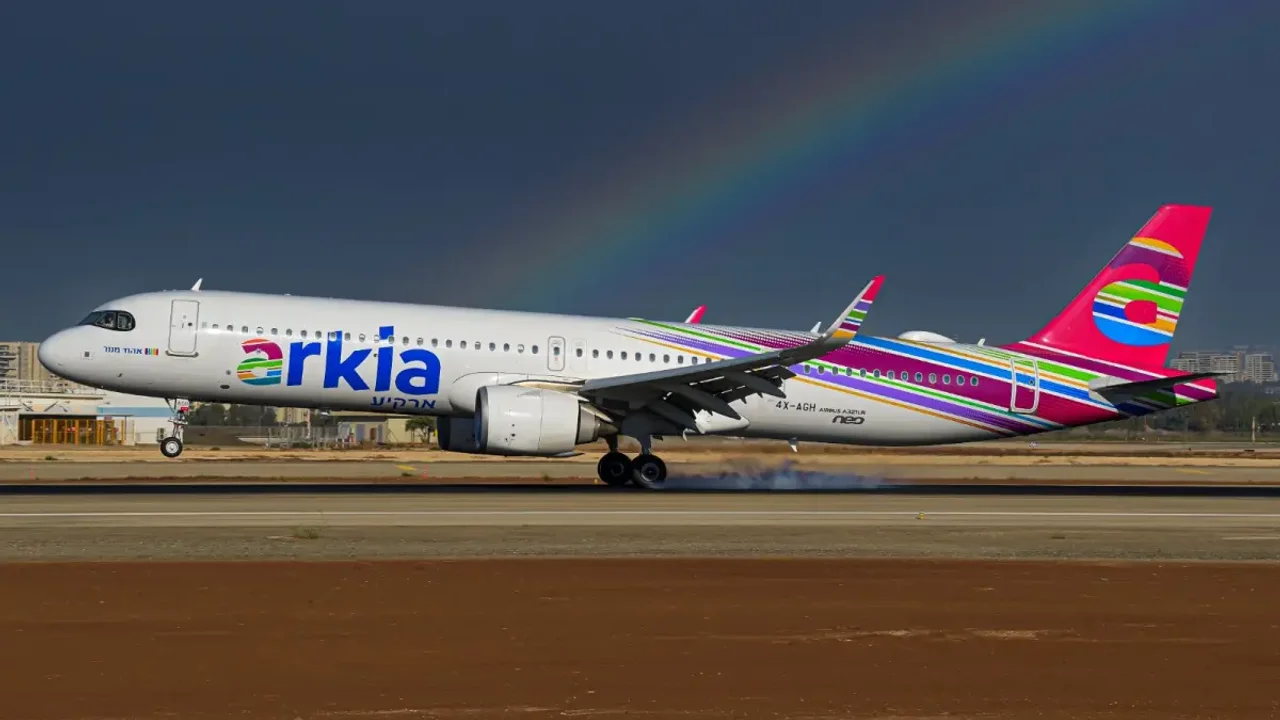
Arkia Israeli Airlines is facing a critical juncture as its controlling shareholders, the Nakash family, prepare a capital injection that will significantly dilute the 22% stake currently held by employees through the Toat corporation. Employees strongly oppose the dilution, deeming it illegal, and are preparing to declare a labor dispute under the leadership of Avi Edri. Industry experts warn that any disruption by employees could prove fatal for Arkia, which is already grappling with a capital deficit of approximately $60 million and estimated losses exceeding $30 million since the beginning of 2026.
Potential Buyers and Corporate Restructuring
Several acquisition and merger options are currently on the table. One alternative involves a group of three investors—Yariv Lerner, Avi Alkayam, and the Wared family—a proposal favored by employees but resisted by the Nakash family. Lerner, who specializes in corporate turnarounds, controls Negev Ceramics and the mobile operator Wecom, which is currently being sold to Pelephone. Alkayam controls the service company Shahar and co-owns Anchor Insurance, while Wared is a Christian Arab Israeli co-owner of the Hapoel Ramat HaSharon football club. Alternatively, the Nakash family is exploring a merger with a stock exchange shell company, a move that could involve a multi-million shekel capital injection backed by public offering, potentially joined by businessman Shmuel Fogel.
Operational Challenges and Market Disparities
Despite capitalizing on the absence of foreign airlines to expand its market share at Ben Gurion Airport from 3.8% before the Iron Swords War to 11% by September 2026, Arkia struggled with profitability. The carrier's smaller fleet and limited cash flow made it highly vulnerable to volatile fuel prices, security restrictions, and low occupancy rates on long-haul routes such as Bangkok and New York. Furthermore, planned routes to Dubai and Marrakech were repeatedly frozen due to heightened security demands and disagreements between the Shin Bet and Emirati authorities, while a proposed route to Tokyo was canceled after Japanese authorities rejected wet-lease aircraft.
The Competitive Landscape: El Al and Israir
The stark contrast between Israeli carriers is highlighted by El Al's record financial performance, posting third-quarter revenues of $1.2 billion and a net liquidity surplus of $910 million under owner Kenny Rosenberg. Meanwhile, rival Israir, controlled by Rami Levy, is pursuing aggressive expansion with plans to reach 3.5 million passengers by 2030. Israir CEO Uri Sirkis has pitched acquiring Arkia to build a unified aviation group, though such a merger faces major regulatory hurdles from the Israel Competition Authority, which would require invoking the strict failing firm doctrine due to significant market concentration concerns.