1,600-Year-Old Infant Skeleton in Peru Reveals Rare Cyclopia and Trisomy 13
Archaeologists in Peru have discovered a 1,600-year-old infant skeleton with cyclopia, a rare congenital defect. DNA analysis confirmed trisomy 13, offering insights into ancient Nazca burial customs.
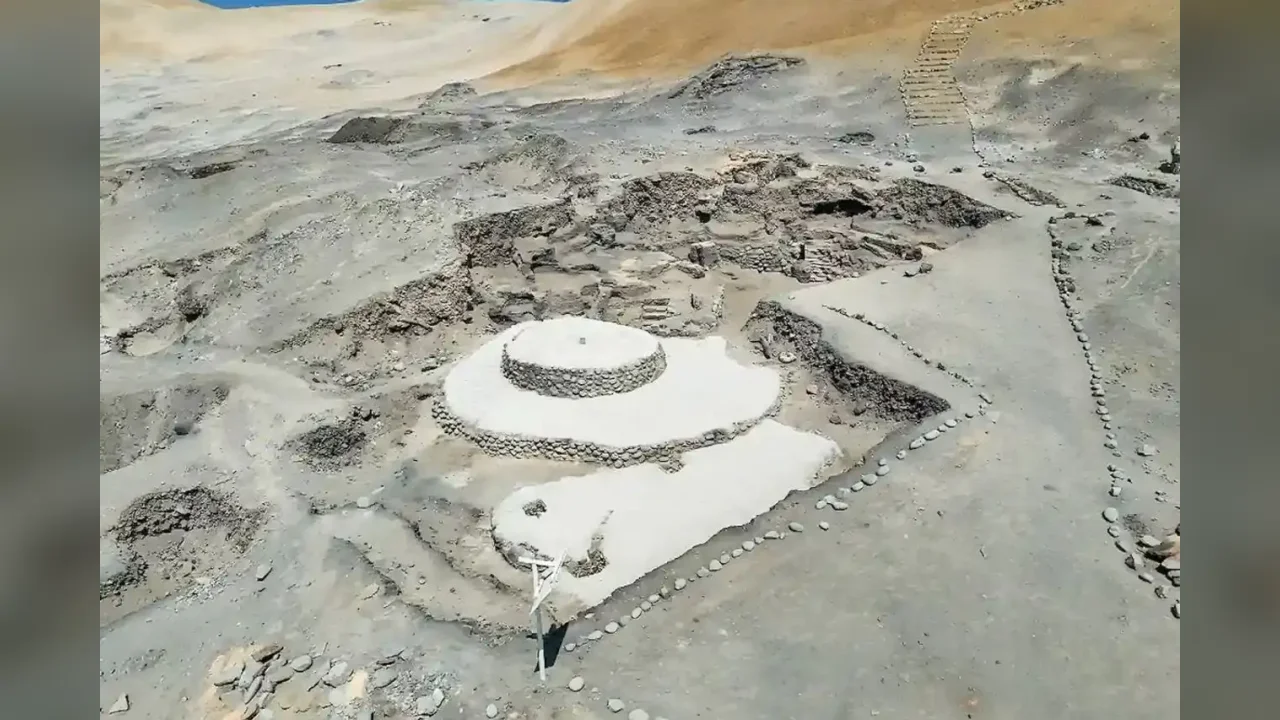
Archaeologists working in Peru have uncovered the 1,600-year-old skeleton of an infant suffering from cyclopia, an extremely rare congenital disorder characterized by a single, central eye socket. DNA analysis of the remains, dating back to the Middle Nazca period between 325 and 440 CE, confirmed that a severe chromosomal anomaly caused the condition.
The remains, designated as sample JA13A, were discovered inside a ceramic jar at the Jauranga archaeological site in the Palpa Valley of Peru, an area renowned for its proximity to the famous Nazca Lines. Researchers excavated the site alongside dozens of other tombs, detailing their findings in the journal Proceedings of the National Academy of Sciences. Inside the same jar, scientists found a second infant skeleton, JA13B, suggesting a shared ritual burial despite genetic tests revealing the two infants did not share the same mother.
Genetic Analysis and Rare Medical Condition
To better understand the infant's brief life, scientists sequenced her genome. The DNA analysis confirmed female chromosomes, specifically two X chromosomes, and identified an extra copy of chromosome 13, pointing to trisomy 13, commonly known as Patau syndrome. This genetic disorder occurs in approximately 1 in 100,000 births and is recognized as a primary chromosomal driver of cyclopia, which develops during the first few weeks of pregnancy when the embryonic forebrain fails to divide properly into two distinct hemispheres.
Ancient Cultural Attitudes Toward Deformities
Although researchers cannot definitively determine how long the infant survived after birth, estimates suggest she may have lived for several weeks or months. Her burial alongside a healthy infant in a standard cemetery plot—without specialized grave goods or signs of social ostracization—provides rare insight into how ancient Andean societies cared for children with severe congenital abnormalities. Scientists noted that the infant was neither systematically excluded nor treated with special distinction, reflecting biological diversity handled within normal community burial practices.