Mother in Intensive Care Following Amniotic Fluid Embolism
A woman in her 40s is in critical condition at Sheba Medical Center after suffering an amniotic fluid embolism during childbirth at Maayanei HaYeshua in Bnei Brak. The newborn baby was safely delivered and is in good condition.
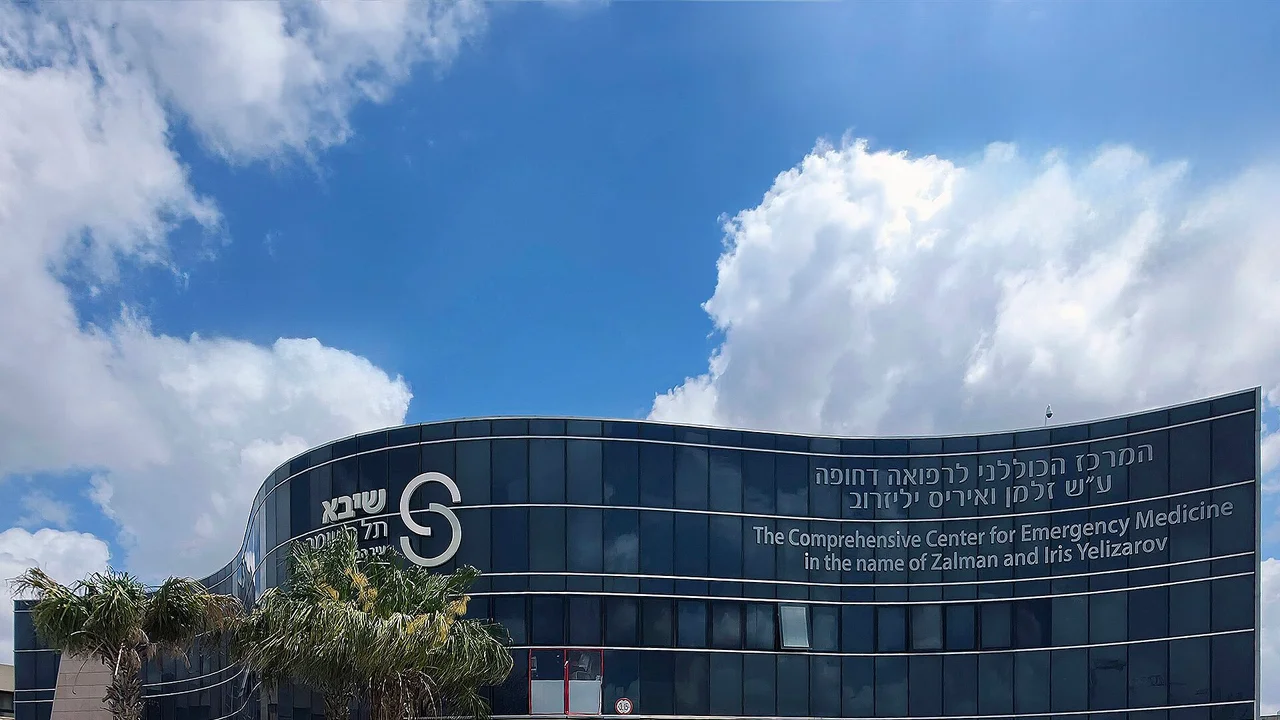
A woman in her 40s is currently hospitalized in critical condition in the intensive care unit at Sheba Medical Center in Tel HaShomer after suffering an amniotic fluid embolism during childbirth. The patient, who has no underlying medical conditions, was transferred from Maayanei HaYeshua Medical Center in Bnei Brak following prolonged resuscitation efforts.
Medical teams successfully delivered the baby, who is in good condition and remains under observation for ongoing care. Representatives from Maayanei HaYeshua reported that a senior multidisciplinary medical team fought to save the mother's life. She has been connected to an extracorporeal membrane oxygenation (ECMO) machine, which temporarily replaces heart and lung functions by pumping blood outside the body, oxygenating it, and returning it to circulation.
An amniotic fluid embolism typically occurs during labor or shortly afterward. According to current medical understanding, amniotic fluid or fetal material enters the mother's bloodstream, triggering an extreme immune reaction resembling a severe allergic response. This can lead to sudden cardiovascular collapse, a sharp drop in blood oxygen levels, and severe coagulation failure resulting in life-threatening hemorrhaging.
Medical experts note that there is no way to predict who will experience an amniotic fluid embolism and no definitive diagnostic test; diagnosis is made based on symptoms after ruling out other causes. Because the condition develops rapidly, treatment relies on immediate intervention, including resuscitation, respiratory and blood pressure support, and blood transfusions to control bleeding.
Despite its rarity, amniotic fluid embolism is considered one of the leading causes of maternal mortality in several countries. According to a comprehensive review published in the American Journal of Obstetrics and Gynecology, it occurs in approximately 1 in every 15,000 deliveries in North America and 1 in every 54,000 in Europe. Mortality rates among affected women range between 13% and 30%, while infants also face high risks, with mortality rates ranging from 9% to 44%.