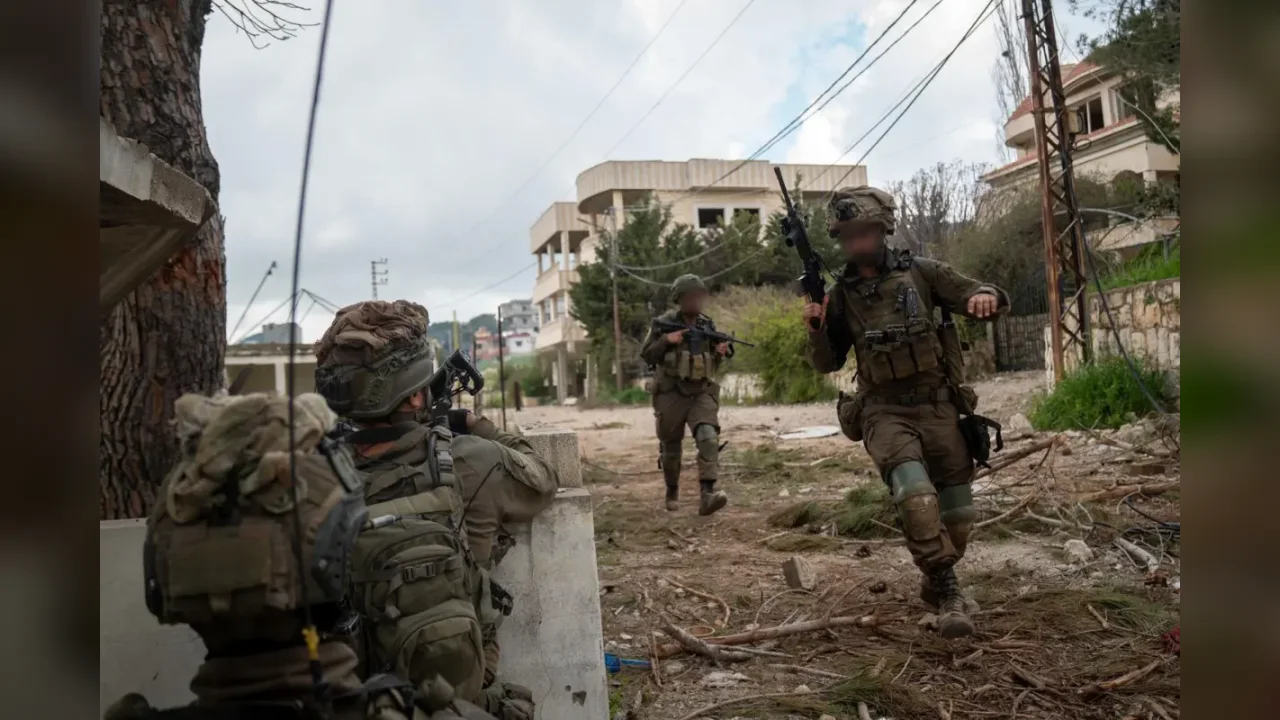
Security Turnaround on Alon Road: Agricultural Outposts Drive Down Attacks
Agricultural outposts along the Alon Road in the Binyamin region have driven a sharp drop in hostile incidents over recent years, establishing a vital security buffer.
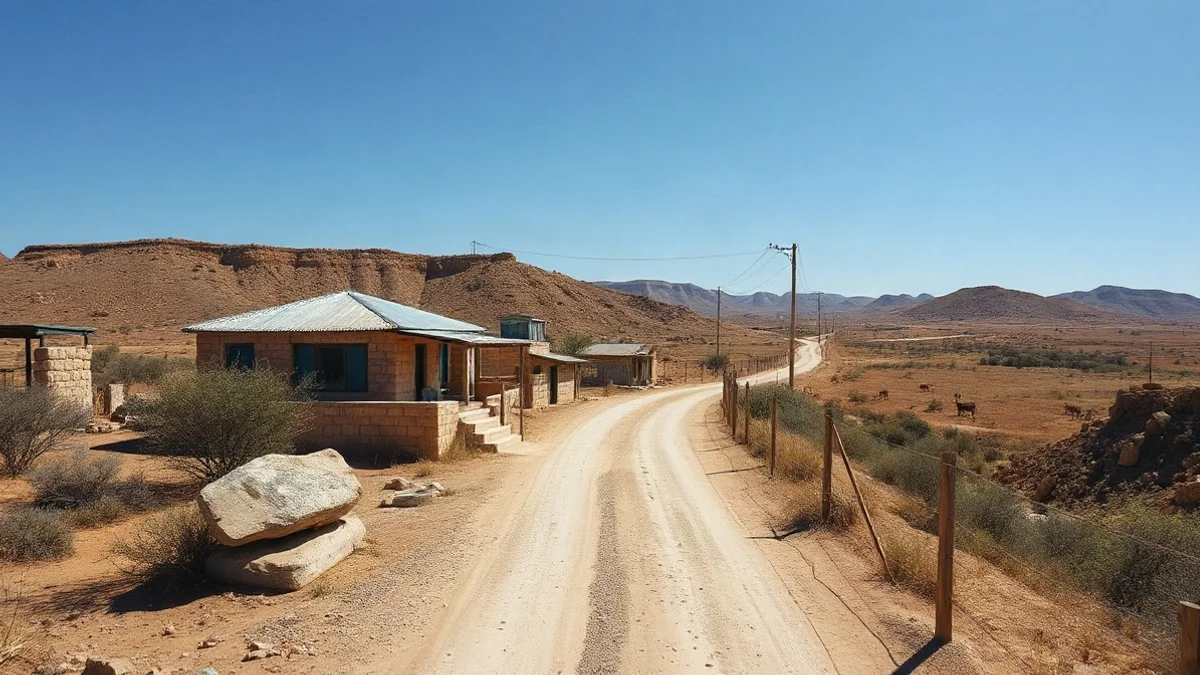
Agricultural farms established along the Alon Road in the Binyamin region have driven a dramatic security turnaround, with hostile incidents dropping sharply over the past several years. Once labeled among the most dangerous routes in the country and plagued by recurring terror attacks against motorists, the strategic highway connecting the Binyamin region to the Jordan Valley has experienced a sustained decline in violence.
Multi-Year Decline in Incidents
Data compiled by the Mateh Binyamin Regional Council dispatch center illustrates the scope of the transformation. In 2022, security forces recorded 459 hostile incidents along the corridor. That figure dropped to 314 in 2024 and 126 in 2025. During the first ten months of 2026, from January through early November, authorities logged only 52 incidents, matching the total previously recorded during just the first half of 2025 and confirming a lasting downward trend.
Parallel to the drop in violence, the number of agricultural outposts operating along the route has expanded steadily. While only three farms operated along the corridor in 2022, the count increased to six in 2023, eleven in 2024, and thirteen by 2025. These outposts maintain a continuous presence across the terrain, assisting security forces in controlling the area and deterring attackers from approaching the roadway.
Daily Presence and Operational Impact
Behind the statistical shift lies daily fieldwork conducted by farming families and livestock herders. Herders grazing flocks across the open terrain establish a physical presence across vast areas situated between threat points and the thoroughfare. These shepherds spot suspicious movements, alert security personnel, and help construct a vital buffer zone that safeguards travelers.
Mateh Binyamin Regional Council head and Yesha Council Chairman Yisrael Gantz emphasized the strategic significance of the development:
"The data proves year after year what we witness on the ground daily: strategic farms protect the roadway and save lives. Families and herders maintain a continuous Israeli presence in the area, pushing terrorists away from transit routes and assisting security forces in protecting travelers. This is an achievement of determined settlement and joint work with the security establishment."
Echoing those remarks, Farm Association CEO Amichai Shohat noted that regional defense begins well before traffic reaches the main roads:
"These remarkable figures illustrate what we have stated for years—defense of the roads and communities begins in the surrounding open spaces. The farming families, herders, and our wonderful youth who venture out to pasture each morning create a continuous presence and contribute directly to resident safety."
Both leaders affirmed that regional authorities and farming organizations will continue reinforcing the outposts and expanding the security model to additional territories.