Algeria Cuts Sahara Visa Fees by 60% to Boost Desert Tourism
Algeria is slashing visa-on-arrival fees by up to 60 percent to boost tourism in its Sahara desert, drawing praise from international travel publications for its ancient rock art and unique landscapes.
Algeria is positioning its vast Sahara desert as a premier global tourism destination, with proposed budget legislation for 2027 introducing a significant reduction in visa-on-arrival fees for foreign visitors heading to the country's southern regions.
Under Article 38 of the draft budget law, visa fees for stays up to 30 days could drop from 50,000 Algerian dinars—approximately 368 US dollars—to 20,000 dinars, representing a reduction of up to 60 percent. The new pricing structure scales according to duration, starting at 10,000 dinars for stays between one and seven days, 15,000 dinars for eight to 15 days, and 20,000 dinars for 16 to 30 days. This policy builds upon a visa-on-arrival mechanism initially approved in 2023, which requires travelers to coordinate through authorized Algerian travel agencies and secure prior authorization.
Open-Air Museums and Ancient Heritage
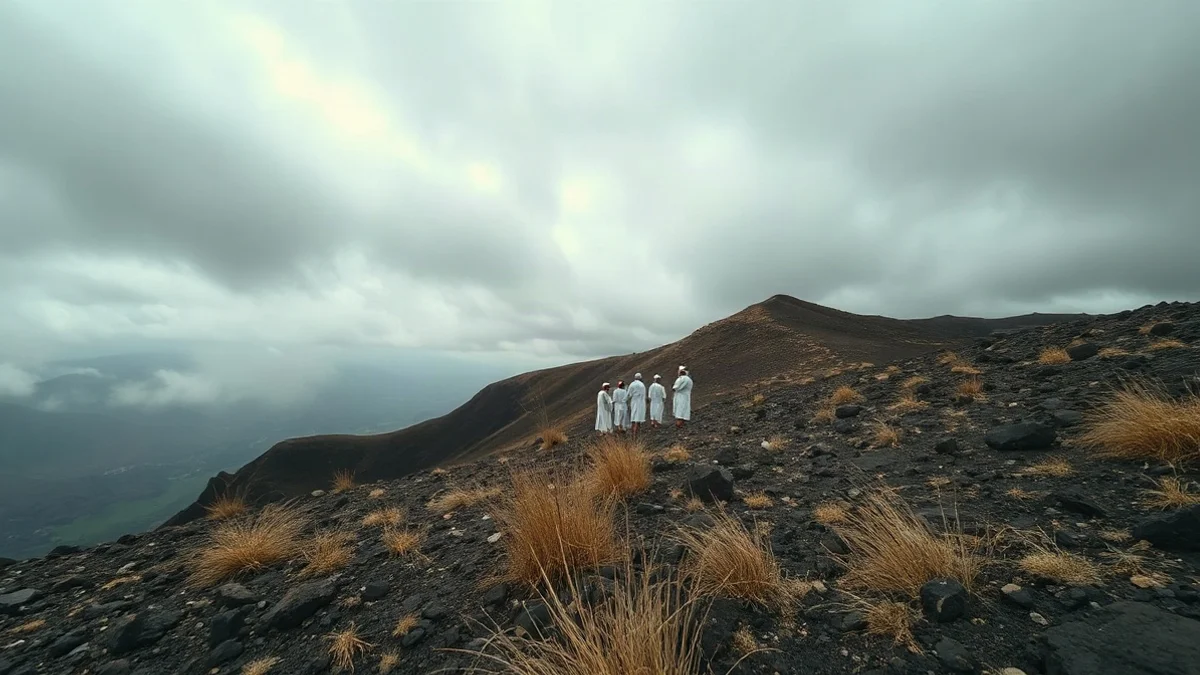
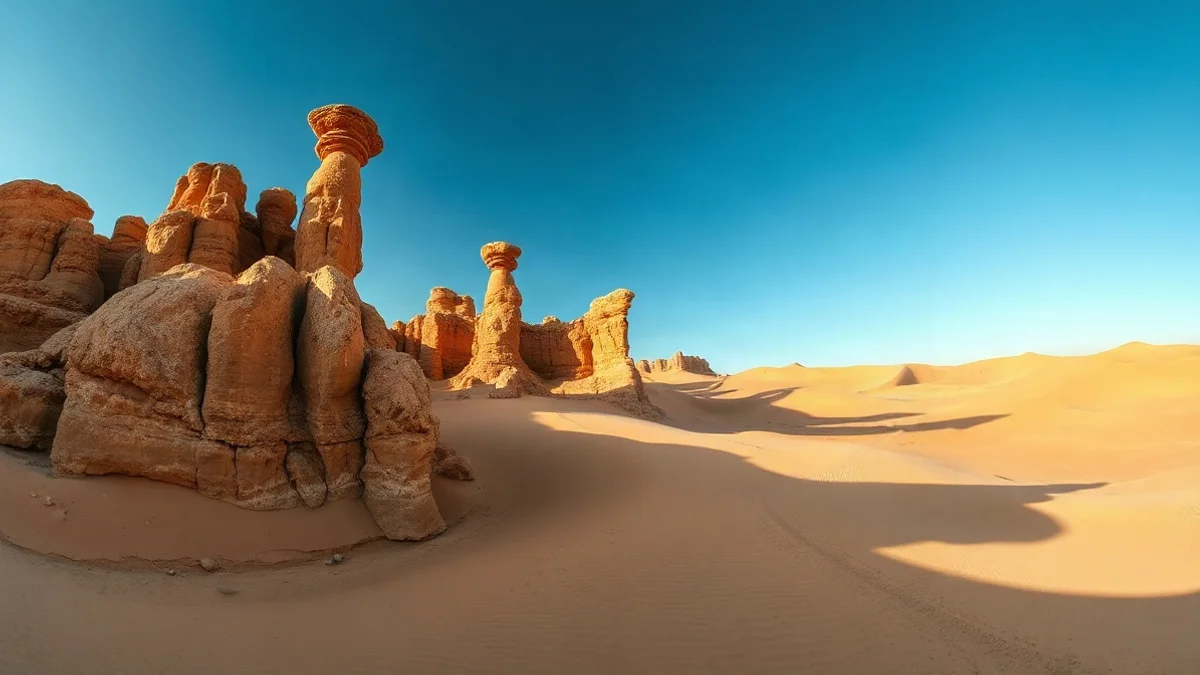
The Algerian Sahara offers visitors a rich historical and geographical landscape that functions as an open-air museum. The Tassili n'Ajjer region, designated as a UNESCO World Heritage site in 1982, contains more than 15,000 prehistoric rock carvings and paintings documenting ancient climate shifts and human activity. Alongside sandstone formations that resemble stone forests, the Hoggar Mountains feature rugged volcanic peaks, with Mount Assekrem serving as a renowned vantage point for sunrises and sunsets.
Distinct regional destinations offer diverse cultural experiences. Djanet acts as a gateway to Tassili with its red dunes and ancient engravings, while Taghit in the Bechar province blends golden dunes with palm oases. Timimoun, known as the red city, features distinctive reddish mud-brick architecture and traditional settlements. Meanwhile, Ghardaia and the M'zab Valley showcase unique architecture adapted to arid environments, complemented by Tuareg music, traditional silver crafts, and desert hospitality.
Growing Global Recognition
International media and travel publications have increasingly highlighted Algeria as an emerging destination. Condé Nast Traveler and CNN Travel both included Algeria among their recommended global destinations to watch, pointing to the easing of visa procedures and the wealth of archaeological and natural attractions. A recent nine-day journey through Djanet and Tassili n'Ajjer featured in Condé Nast Traveler underscored the appeal of the remote landscape for camping and stargazing.
Beyond boosting visitor numbers, the economic strategy aims to diversify Algeria's economy, create jobs, and stimulate commerce in southern provinces. Developing desert accommodations, upgrading air transportation, and supporting local guides are central to this initiative. However, industry observers note that realizing this potential will require continued investment in infrastructure, enhanced flight connectivity, and robust environmental protections to preserve fragile archaeological sites.