Northern Alaska Town Enters 65-Day Polar Night Until 2027
Utqiagvik in northern Alaska begins its 65-day polar night after the sun set on November 18, with the next sunrise expected in late January 2027. The remote town of several thousand residents offers extended midday twilights, unique travel logistics, and sub-zero Arctic conditions.
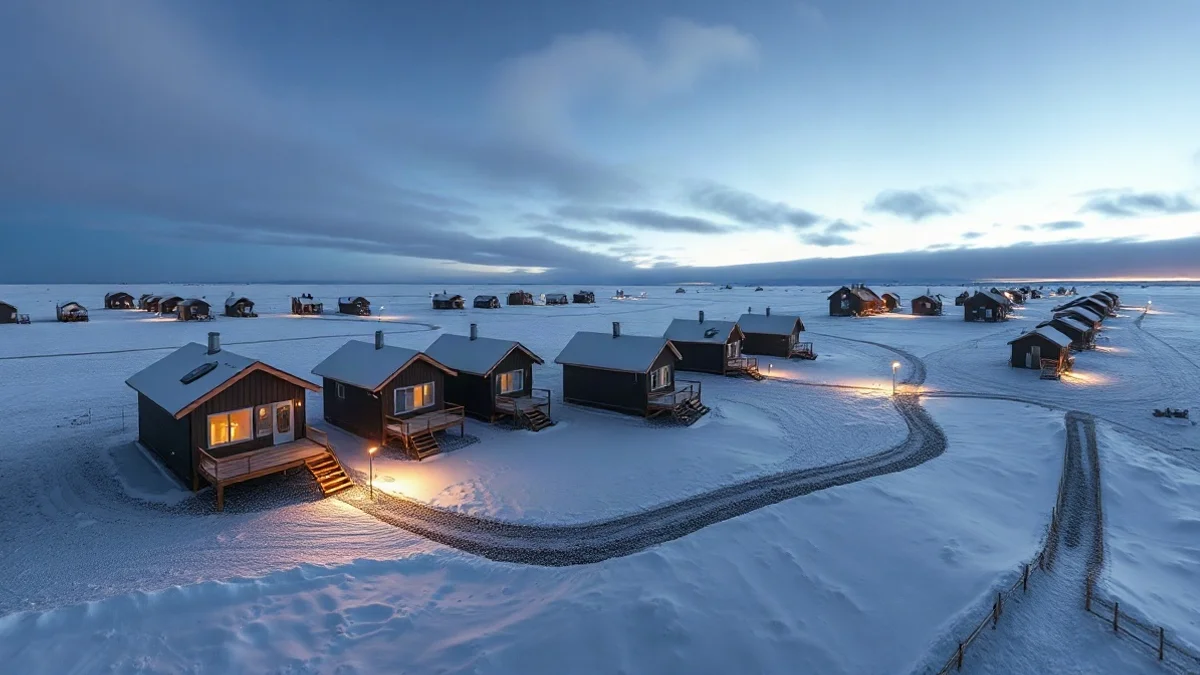
Residents of Utqiagvik in northern Alaska are officially experiencing the start of 65 days of polar night after the sun set for the final time this year on November 18 at approximately 1:42 PM local time. The sun will not rise again above the horizon until late January 2027, plunging the northernmost settlement in the USA into weeks of extended twilight and darkness. Formerly known as Barrow until 2016, the remote town sits more than 500 kilometers north of the Arctic Circle along the Arctic Ocean coast and is home to several thousand residents, many of whom belong to the Indigenous Iñupiaq people. In their native language, the town's name translates to "the place where snowy owls are hunted." On its final day above the horizon, the sun managed a brief appearance of just one hour and one minute, rising at 12:41 PM and setting at 13:42 PM.
Understanding the Arctic Twilight
Despite the long stretch of darkness, absolute blackness is not the reality throughout the entire day. While the sun does not climb over the horizon, it approaches closely in the southern sky during midday hours, creating prolonged twilights that paint the sky in shades of light blue and purple. Utqiagvik enjoys about three hours of twilight around the winter solstice and up to six hours daily at the beginning and end of the polar period. On clear nights, fortunate visitors and locals can also witness the northern lights dancing across the tundra.
Logistics and Where to Stay
Reaching the isolated town is exclusively possible by air, as Utqiagvik is not connected to any highway or railway network. Travelers must fly into the local airport bearing the IATA code BRW. Alaska Airlines operates regular flights to the destination from Anchorage, a journey of about two hours, as well as from Fairbanks. Travelers coming from Israel must take a flight to the USA, catch a connecting flight to Anchorage, and proceed north. Because winds, heavy fog, and snowstorms frequently delay or cancel flights, travelers are advised to build a generous buffer into their itineraries.
Accommodation options are limited, adding to the remote charm of the destination. The Top of the World Hotel is the most prominent lodging in town, featuring 70 rooms, views of the Arctic Ocean, an on-site restaurant named Niġġivikput, and complimentary airport shuttle service. Alternatively, the King Eider Inn offers a family-run guesthouse experience complete with pine wood furnishings, a lobby fireplace, and a sauna just a two-minute walk from the airport. While the inn lacks a restaurant, it provides a shared kitchen for guests, alongside local bed and breakfast options like Latitude 71 B&B. Visitors should note that living costs and prices are exceptionally high because nearly all goods, including food, must be flown in, with simple meals starting at around 20 dollars.
Essential Travel Tips
Preparation for extreme sub-zero temperatures is vital, requiring heavy-duty winter gear rather than light coats. Transportation within the town relies on walking or taxis, but venturing outside city limits requires local armed guides due to the presence of polar bears roaming the tundra and coastline. Visitors are also urged to respect the local customs and traditions of the Indigenous residents, including when taking photographs. During the lengthy period of polar night, daily life adapts to the rhythm of indoor reading, warm drinks, and viewing the midday pink twilight, with the perpetual summer sunlight awaiting those who return in the warmer months.